Years ago, before the present waves of kidnappings, killings, and economic hardship, legendary juju maestro King Sunny Ade, in his song Synchro System Movement, captured the reality of many Nigerians. The song lamented life’s difficulties and the cruelty often encountered in society. While the song wasn’t written specifically about what Nigeria is today, its message remains relevant to present realities.
As it is today, Nigeria is at a major crossroads. Kidnappings, killings, soaring unemployment, and economic hardship have dominated public discourse. Whenever there is a renewed wave of tragedy, Nigerians are prompted to ask a troubling question about if Nigeria can actually get better.
Nigerians are right to ask questions, especially at a time when policies are failing. In recent years, insecurity has remained one of Nigeria’s utmost challenges. Communities have continued to face attacks, travelers are abducted, and children and teachers are kidnapped from schools. Human rights organisations and international observers have repeatedly expressed concern about the impact of these attacks on education and public safety.
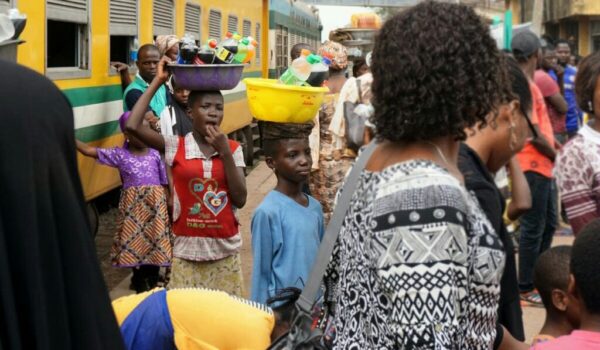
Beyond insecurity, millions of Nigerians are battling economic hardship. The removal of fuel subsidy, exchange rate reforms, and persistent inflation have increased the cost of living. Food prices and transportation fares have skyrocketed, and many households struggle to make ends meet. According to the World Bank, poverty remains widespread, with a large proportion of Nigerians living below the national poverty line despite recent economic reforms.
The above-listed challenges have caused the Japa Syndrome, where many Nigerians migrate to foreign countries, seeking greener pastures and believing they have a better chance of building successful lives elsewhere, while others continue to question if political leaders are empathetic enough to trully understand the daily struggles of Nigerians. When there are reported cases of kidnappings, killings, or when economic hardship becomes persistent, citizens begin to lose trust in government institutions.
However, despite these challenges, it would be inaccurate to conclude that Nigeria is beyond redemption.
Nigeria is considered to be the most populous nation and one of the largest economies in Africa. Nigeria has produced so many innovators, entrepreneurs, artists, athletes, and professionals who are excellent in their fields on the global stage. Over the last few years, the technology ecosystem has greatly expanded. The interesting part of this is that even in difficult times, Nigerians have continued to show remarkable resilience and adaptability.
As critical as these developments are, they are not enough to determine the growth of the country. Growth figures mean little to citizens who cannot afford food, secure employment, or live without fear. For progress to be meaningful, improvements must be reflected in the daily lives of ordinary Nigerians.
If Nigeria will get better, then there’s an urgent need to dedicate attention to some critical issues. The security architecture need to be strengthened so that citizens can freely live, work, and learn without fear. There must be creation of jobs and improvement in living standards. Public institutions must become more accountable and responsive to the needs of the people. Investment in education, healthcare, and infrastructure must also be treated with utmost concern.
History shows that nations facing serious crises can recover. Rwanda rose from the tragic aftermath of the 1994 genocide to become one of Africa’s growing economies. South Korea transformed itself from a war-ravaged country in the 1950s into one of the countries leading in industrial and technological advancement.
The experiences of these countries show that national transformation is possible when deliberate reforms are introduced, institutions are strengthened, leaders held accountable, and when citizens actively participate in politics. Nigeria, despite its current challenges, is not excluded from that possibility.
So, the answer to the question “can Nigeria really get better”? goes beyond hope. It requires Nigeria to exercise the true meaning of independence. This writer believes that Nigeria only received “flag independence”, it did not exactly free itself from colonialism; after independence, we only switched to neocolonialism which is evident in the industrial and economical pathways of Nigeria. Unless Nigeria learns to stand and thrive alone, it will continue to fail at development.
Read Also: The Culture of Consensus in Nigerian Politics
For Nigeria to get better, we also must repair our damaged democracy. We must introduce strong leadership that prioritizes the welfare of citizens, institutions that function effectively, and empowers the population to demand accountability. Yes, the challenges can not be denied, but so is Nigeria’s potential.
For now, the question remains open for public discourse, but, in a nation that continues to endure despite countless obstacles, perhaps the real challenge is not whether Nigeria can get better, but whether those entrusted with its future are willing to make it happen.

Comments