Search in the website:
Editorials
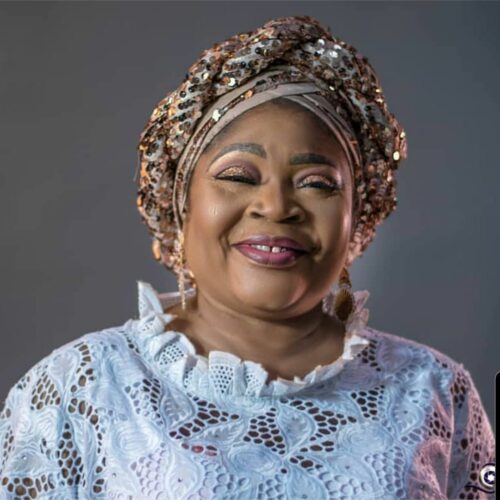
Salawa Abeni: The Queen Who Gave Waka Music a Global Voice
Following the bold step taken by Nigeria’s first female instrumentalist and Waka icon, Batile Alake, to establish herself in a music industry largely dominated by men, she became a source of inspiration for generations of aspiring female musicians seeking to carve out their own place in the highly competitive arena long controlled by their male […]
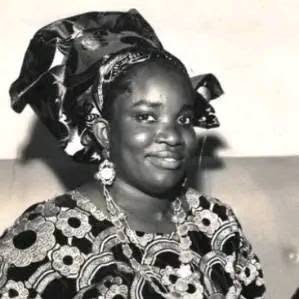
Queen Oladunni Decency: The Woman Who Broke the Strings of Tradition
Before Nigerian music embraced the voices of women as bandleaders and instrumentalists, before female performers confidently occupied the centre stage of popular culture, male musicians dominated almost the entire music scene, leaving little or no room for women to lead vocals, let alone have their own music bands. However, by the late 1960s and early […]

Side Hustle Nation: Why One Job Is no Longer Enough in Nigeria
Sometimes ago, getting a stable job was considered an assurance of financial security in Nigeria. A monthly salary, no matter how modest, was usually enough to cover basic needs, support a family, and leave space for savings, a reality that has changed greatly today. Across the country, a growing number of Nigerians are turning to […]
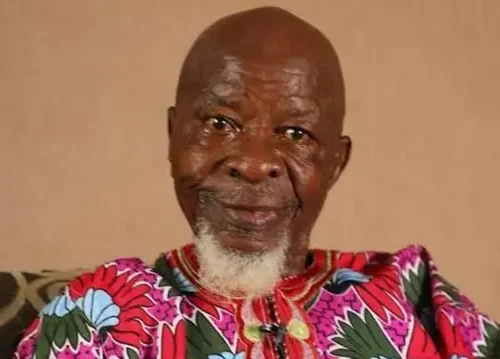
Charles Olumo: From Church Drama to the Big Stage
Long before the emergence of modern Nollywood, pioneers of travelling theatre and indigenous filmmaking laid the foundation upon which the industry thrives today. Among those legendary figures was Alhaji Abdulsalam Sanyaolu, better known as Charles Olumo, fondly called Agbako, a man whose career spanned over seven decades and whose contributions helped shape Yoruba theatre and […]

Out-of-School Children vs School Enrolment: How Education is Being Developed in Southwest Nigeria
The Southwestern region of Nigeria has long been regarded as the educational heartbeat of the country. From the era of free education to the present day, the region has upheld a status for producing some of Nigeria’s most educated citizens, ranking among the nation’s strongest performers in literacy and educational attainment. But despite these achievements, […]
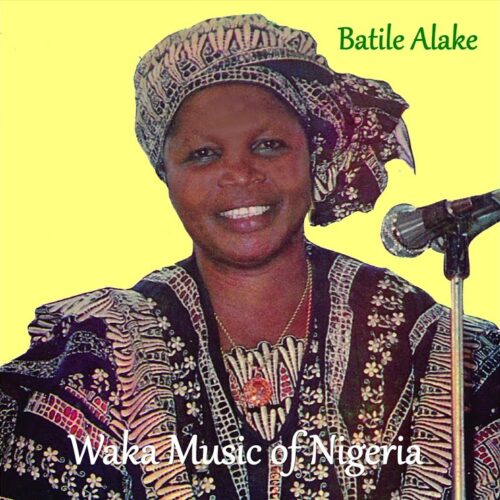
Batile Alake: The Trailblazer Who Gave Waka Music a National Voice
Long before Waka music became a household genre in Nigeria and produced celebrated stars such as Salawa Abeni, Olawunmi Adetoun, Decency Oladunni, Adebukola Ajao Oru, Foyeke “Ajangila” Ayoka, Ayinke Elebolo, Aduke Ehinfunjowo, Hairat Isawu, and Adijat Alaraagbo, Alhaja Batile Alake’s vision, innovation, talent, and determination transformed a local Islamic chant into a respected commercial musical […]

Sani Abacha: 28 Years Later
Today, June 8, 2026, marks 28 years since the death of Nigeria’s former Head of State, General Sani Abacha, one of the most controversial figures in the nation’s political history. Born on September 20, 1943, in Kano, General Abacha died on June 8, 1998, while serving as Nigeria’s military ruler. His death brought an […]

The Endless Burden: Wombs Under Pressure
Every day, public and private hospitals are filled with pregnant women. Maternity wards remain crowded, antenatal clinics overflow, and delivery rooms continue to receive more mothers regardless of the economic hardship, emotional stress, or health risks many of them already face. This reality raises an uncomfortable but necessary question: why are so many women still […]
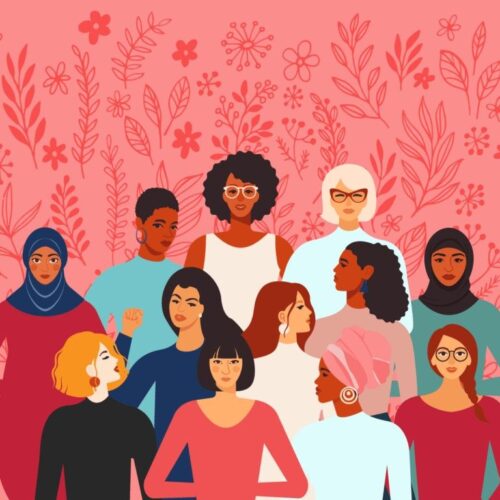
When Marriage Becomes the Measure of a Woman’s Worth
In many societies today, particularly within Nigerian communities, a woman’s life is often measured against one major milestone – Marriage. From an early age, many girls are subtly, and sometimes openly, conditioned to see marriage not merely as a personal choice but as an achievement. It becomes a benchmark for success, respect, and even identity. […]
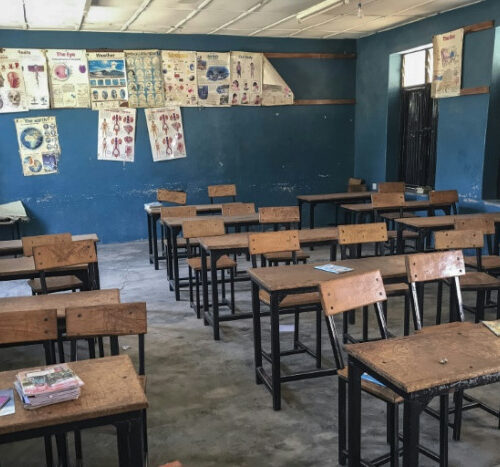
When Schools Become Targets: The Growing Threat to Education in Nigeria
Education for the longest time has been regarded as the foundation upon which societies build their future. In different classrooms across Nigeria, children are seen daily, gathering with the dreams of becoming doctors, engineers, lawyers, teachers, leaders, among other great professions. For many pupils and students, however, the journey to acquiring the knowledge to attaining […]