Sometimes ago, getting a stable job was considered an assurance of financial security in Nigeria. A monthly salary, no matter how modest, was usually enough to cover basic needs, support a family, and leave space for savings, a reality that has changed greatly today.
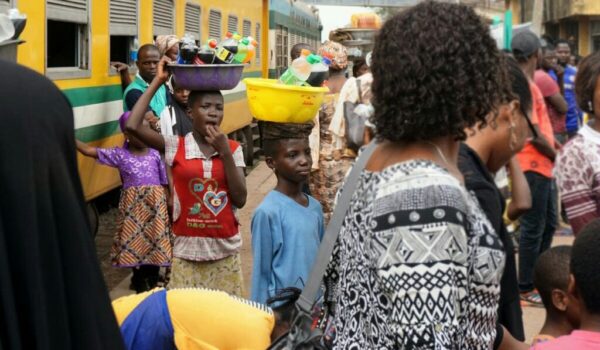
Across the country, a growing number of Nigerians are turning to side hustles, either to survive or to build wealth, but most importantly the former. From teachers who sell items after work to civil servants who operate small businesses on weekends, the search for additional income has become an essential feature of the current Nigerian life.
The rise of the side hustle economy reflects the growing gap between earnings and living expenses. Price increases have pushed the prices of food, transportation, housing, healthcare, and education to the levels that many households struggle to keep up with. As the cost of living continues to climb, salaries have remained mostly unable to match the pace of economic change.
For many workers, a single source of income no longer provides the financial ease needed to meet daily obligations. What used to be considered extra income has become an essential part of household budgets. Side businesses, freelance jobs, online ventures, and small-scale farming activities are increasingly serving as supports for families trying to stay afloat.
Technology has played a major role in fast-tracking this trend, as the common use of smartphones and social media has made it easier for people to market products, offer services, and connect with customers. Businesses that once required physical shops and weighty capital can now be started from a mobile phone with minimal investment.
As a result, Nigeria is witnessing a sharp upsurge in online entrepreneurship. Social media platforms have become digital marketplaces where fashion items, food products, beauty services, and household goods are bought and sold daily. Young people particularly are making use of digital tools to create additional streams of income through content creation, graphic design, digital marketing, and other freelance opportunities.
The increasing dependence on side hustles also points to the resilience and adaptability of Nigerians. Faced with economic uncertainty, many have embraced entrepreneurship not as a luxury but as a necessity. Rather than relying solely on old style of employment, workers are expanding their income sources in an effort to reduce financial weakness.
Read Also: Out-of-School Children vs School Enrolment: How Education is Being Developed in Southwest Nigeria
The culture of constant hustling comes at a cost, however. Many Nigerians now multitask multiple responsibilities, while often sacrificing their time of rest, family time, and personal well-being.
The pressure to maintain several income streams can lead to physical exhaustion and mental fatigue. Weekends that were reserved for relaxation are more and more dedicated to business activities, while evenings are spent pursuing additional work instead of resting.
The trend has also changed society’s perception of success. Financial stability is no longer associated with having an impressive job alone, but it is linked to the ability to generate income from multiple sources. In today’s Nigeria, being employed is often viewed as only one part of a wider financial strategy.
The rise of side hustles raises important questions about the state of the economy and the future of work. While entrepreneurship and innovation should be encouraged, the growing need for multiple jobs stresses the concerns about wage suitability, job quality, and the overall quality of life in Nigeria.
Despite these challenges, Nigerians continue to demonstrate remarkable resilience across cities, towns, and rural communities, as individuals now find creative ways to supplement their incomes and secure better futures for themselves and their families.
In many ways, side hustle has become more than an economic activity and has become a sign of resilience. It reflects the willingness of Nigerians to adapt, innovate, and persevere in the face of hardship.
As economic pressures persist, the side hustle culture is likely to remain a prominent part of everyday life, because one job is no longer enough for millions of Nigerians, not because ambition has increased, but because survival keeps demanding it.
While there are people who believe rising costs of living signify an expanding capitalist economy wherein greater opportunities for prosperity abound, the ever-increasing population of people dropping below the poverty line raises social concerns that must receive close attention, our need for economic expansion notwithstanding.






Comments