The Southwestern region of Nigeria has long been regarded as the educational heartbeat of the country. From the era of free education to the present day, the region has upheld a status for producing some of Nigeria’s most educated citizens, ranking among the nation’s strongest performers in literacy and educational attainment.
But despite these achievements, a critical question that has continued to arise from educational statistics and policy discussions is, “why is literacy high while school enrolment remains lower than expected?”
The answer becomes clearer when the issue is examined state by state, particularly through the lens of youth population and educational infrastructure.
According to statistics released by the Federal Ministry of Education, the Southwest has the highest number of educational institutions among Nigeria’s six geopolitical zones, with over 81,000 schools spread across Early Childhood Care Development and Education (ECCDE), primary, junior secondary and senior secondary levels. The number of schools reflects a long-standing commitment to education and partly explains why literacy levels in the region remain among the highest in the country.
However, enrolment statistics tell only part of the story. The region’s rapidly growing population continues to place enormous pressure on educational resources. Lagos State, for instance, has the largest youth population in the Southwest, estimated at over eight million people. Every year, thousands of children enter school age, creating a demand that repeatedly exceeds available facilities. Despite having thousands of public and private schools, Lagos continues to face overcrowded classrooms, inadequate teacher-to-student ratios and difficulties in reaching children in densely populated informal settlements.
Ogun State faces a similar challenge. Its closeness to Lagos has transformed it into a destination for migrants seeking affordable housing and employment opportunities. As the state’s population expands, it becomes a must for school authorities to continually increase educational infrastructure to accommodate growing numbers of learners. Oyo State also struggles to balance population growth with educational access.
Ondo and Ekiti States present a slightly different representation as their populations are smaller, and literacy levels are traditionally high. So far, rural communities in these states continue to experience challenges related to poverty, infrastructure and access to quality education. While enrolment rates are generally favourable, ensuring that every child completes basic education remains a concern.
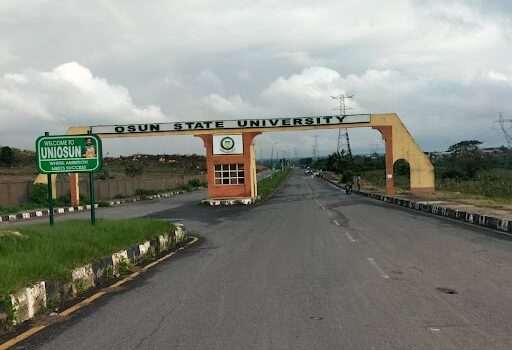
Among the six states, Osun occupies a unique position. With an estimated youth population of about two million, Osun has fewer young people than Lagos, Oyo and Ogun. In theory, this should make educational planning easier. The state also enjoys a strong educational heritage, producing some of the country’s most accomplished professionals, academics and public servants. Education remains deeply valued among families, and literacy levels are among the highest in Nigeria.
Osun’s educational challenges reveal that literacy and enrolment are not always directly connected. Many communities claim generations of educated adults, contributing to a high overall literacy rate. However, economic realities such as the rising costs of transportation, school materials and household expenses, have placed pressure on families, particularly in rural areas thereby increasingly affecting school participation. While many children begin their educational journey, some struggle to remain in school constantly.
The state’s rural communities face additional challenges. In some areas, long distances to secondary schools discourage attendance, especially among vulnerable children.
Read Also: When Schools Become Targets: The Growing Threat to Education in Nigeria
Economic hardship can also force young people into informal employment, apprenticeships or trading activities at an early age. Although these youths may acquire practical skills and maintain basic literacy, they are often absent from formal school enrolment records.
Another factor contributing to the contradiction is the legacy effect of education. Much of Osun’s high literacy rate reflects decades of investment in schooling dating back to the free education programmes of the old Western Region. Today’s literacy figures therefore include adults who benefited from those policies many years ago. Current enrolment rates, on the other hand, reflect present-day realities and challenges.
This distinction is important because literacy is a cumulative measure while enrolment is a current indicator. A state can maintain high literacy levels because of educational achievements from previous generations while simultaneously facing difficulties in enrolling and retaining every school-age child.
Comparisons with countries that have high education rate provide valuable lessons. Finland, South Korea, Singapore and Norway all maintain literacy rates above 95 percent and school enrolment rates which is commendable. These countries invest heavily in education, typically allocating between five and seven percent of their Gross Domestic Product to the sector.
Beyond funding, they provide strong social support systems that reduce the likelihood of children dropping out due to poverty or family circumstances, a difference that highlights a key challenge for Nigeria.
Although educational investment has increased over the years, spending remains below internationally recommended standards. Therefore, many schools continue to face shortages of classrooms, teachers, learning materials and technological resources. While Southwest states generally outperform national averages, they are still affected by these structural challenges.
The development of education in Osun State and the wider South-West region therefore cannot be measured only by literacy rates, because the real test lies in ensuring that every child who reaches school age is enrolled, remains in school and completes the educational cycle. This requires continued investment in infrastructure, teacher recruitment, social intervention programmes and targeted support for vulnerable households.
At the end of the day, the question of why literacy is high while enrolment appears relatively low can be answered by a combination of historical success and present-day challenges. Literacy reflects the achievements of past educational policies that transformed the Southwest into Nigeria’s educational stronghold. Enrolment figures, however, reveal the realities of today – population growth, economic hardship, migration and unequal access to opportunities.
For Osun State, the task ahead is clear. The state must build upon its strong educational heritage by ensuring that every child, regardless of background or location, has access to quality education. Only then can the region fully bridge the gap between literacy and enrolment, transforming educational success from a legacy of the past into a guarantee for future generations.






Comments