In Nigeria, the decisions made by the few people in positions of authority not only stay on paper, but also reflect in the lives of citizens. From subsidy removal resulting in astronomical transport fares, high food prices, and difficult access to healthcare, policy decisions made at both federal and state levels shape how Nigerians live, work, and, most importantly, survive.
The World Bank, in its 2025 Nigeria Development Report, highlights that Nigeria has taken important steps toward stabilizing its economy through recent policy reforms. Still, more needs to be done to ensure these gains translate into better living standards for its citizens. Meaning that, while there are indications of progress, Nigerians continue to feel the negative impact of an unstable economy in their day-to-day activities.
A very visible negative impact of governmental decisions is inflation and the rising cost of living. As disclosed in a statement published on the World Bank’s website, Nigeria’s inflation has remained high and has been driven by the removal of fuel subsidies, exchange rate, high logistics and energy costs, and food supply disruptions. The institution further projects inflation to remain elevated at an average of about 22% in 2025, even with policy tightening by the Central Bank of Nigeria.
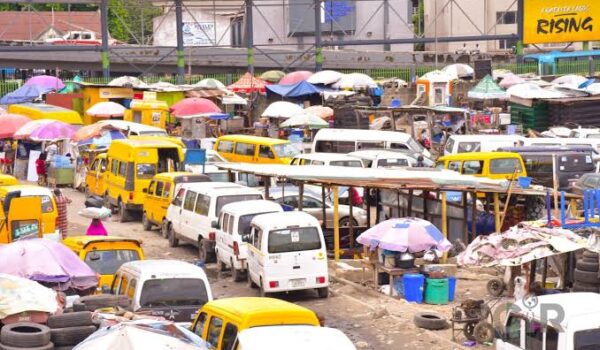
Transport is another area mostly influenced by government decisions. After the removal of fuel subsidy that led to adjustments in energy pricing, transport fares across cities in Nigeria, especially in developed cities, have increased significantly. Many Nigerians now spend higher daily expenses to move from home to work, school, or the market, reducing income for other needs like food, rent, and healthcare.
Government policies also directly affect food prices. According to the World Bank, food inflation in Nigeria is worsened by insecurity, logistics challenges, and high transportation costs. Food becomes less available and more expensive in the market when farmers are restricted from farming due to insecurity or when transport costs rise because of fuel prices.
This has made many families adjust their diets and reduce daily food consumption. In practical terms, a family that could afford balanced meals a few years ago may now be forced to prioritize only basic foods for survival.
Small businesses are also not left out. Recent policies affecting electricity fees, fuel costs, taxation, and exchange rates directly influence business operations. When operational factors are affected, businesses crumble, leading to reduced customer patronage and lower profits.
Young people are among the most affected groups. Rising living costs, combined with unemployment challenges, make it difficult for many youths to achieve financial independence. Some take on multiple jobs, while others rely on informal work or ‘gigs’ to survive. Government decisions on education funding, employment policies, and economic reforms all indirectly shape youth opportunities.
Another area influenced by government decisions is healthcare. Inflation has raised the costs of drugs, hospital services, and medical supplies. For many Nigerians, access to quality healthcare has become a serious financial struggle. Families have been torn between healthcare and meeting other basic needs, such as food and housing.
Despite the introduction of different economic reforms aimed at stabilizing the economy, the gap between policy and living experience remains wide. The World Bank has noted that poverty levels in Nigeria remain high, with a large percentage of citizens spending a significant portion of their income on basic food needs.
Read Also: Vote Buying in Nigeria
Reactions to these realities from Nigerians vary. While some citizens understand the need for long-term reforms, many others lament the immediate hardship. Nigerians regularly highlight the cost of living as their biggest concern in everyday conversations and also on social media platforms.
Ultimately, government decisions do not just reflect on paper, but also reflect in the lives of many citizens. Government policies determine how far salaries can go, how much food a family can buy, and how easily a student can attend school or a worker can get to their job.
Government decisions influence the daily lives of every Nigerian, and it should truly address the real challenges faced by ordinary Nigerians. The few privileged Nigerians who make these policies should therefore find ways of taking policies from fine language on paper, to a better life for Nigerians, no matter where they live, or what they do.







Comments