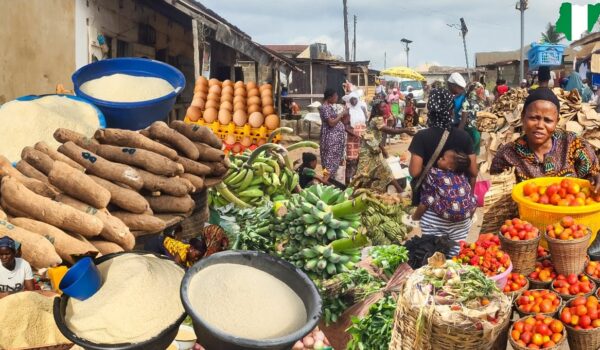
Market women across Nigeria continue to play a significant role in shaping political participation and community development, driven largely by their grassroots influence and economic strength.
Markets remain central gathering points where information spreads quickly. During election periods, politicians often rely on market women to mobilise support, encourage voter turnout, and disseminate campaign messages. Their large numbers and daily interactions with diverse groups position them as effective channels for reaching a wide audience.
Beyond mobilisation, market women wield considerable economic power, which strengthens their political relevance. As key contributors to local economies, they not only support political campaigns but also demand accountability from elected leaders. Their active involvement in trade gives them a strong voice in matters relating to taxation, market policies, and economic reforms.
In a recent interview, the Iyaloja General of Osogbo, Bola Ilesanmi, described markets as a major source of political strength, noting that traders consistently support candidates during elections. She emphasised that their votes are crucial to achieving good governance, adding that market women have a clear understanding of the needs of the people, particularly in areas of relief and accountability.
Similarly, the Otun Iyaloja of Igbona Market, Rasheedat Ogundare, said market women actively engage with government officials to demand better governance. She reaffirmed traders’ commitment to participating in elections, stressing that their collective voice must be heard on issues affecting their welfare.
Observers say the continued involvement of market women in political processes highlights their growing influence, not only as economic players but also as key stakeholders in Nigeria’s democratic development.




Comments