In Nigeria, every election season comes with hope. Politicians travel from city to hamlet, campaigning and promising to improve the lives of citizens. They promise employment opportunities, good roads, stable electricity, good healthcare, improved security, and steady economic development. Oftentimes, many Nigerians hope that positive change is finally coming.
However, post-election realities are a different reality. Years after elections, several communities still struggle with unemployment, poor infrastructure, rising costs of living, and particularly insecurity. The unfulfilled promises of politicians and the reality of Nigerians in their every day lives has weakened public trust in government and democracy.
Nigeria’s return to military rule in 1999, birthed different promises from different administrations; from promise of development, to national progress, yet, many Nigerians still complain about poor living conditions. According to a report by Afrobarometer, a pan-African, independent, non-partisan research network, many Nigerians still prefer democracy, but public dissatisfaction with how democracy works in the country has continued to rise. The report revealed that many citizens believe elections do not always reflect the will of the people and do not hold leaders accountable.
During election campaigns, politicians are known to make big promises without a proper plan of achieving them, promises such as creating millions of jobs for the youth, stabilizing electricity, and balancing the economy. These promises sound attractive to Nigerians but they are often too difficult to achieve within a short time.
Corruption is another major reason for public disappointment. Funds meant for development projects are repeatedly mismanaged or diverted. This affects the delivery of public services and slows down national development. Many citizens believe corruption has made it difficult for governments to fulfill their promises. As a result, people lose confidence in political leaders and government institutions.
Another factor adding to this train is poor accountability. Nigeria still does not have a system that checks the performances of public servants, so they are not held responsible for failing to fulfill their promises, only the cries of citizens on social media platforms are seen. This lack of accountability creates frustration among voters who expect visible results after elections.
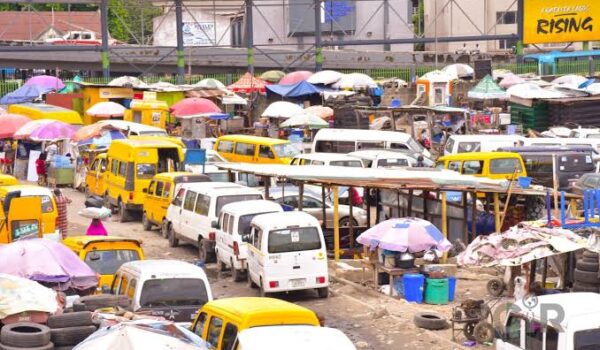
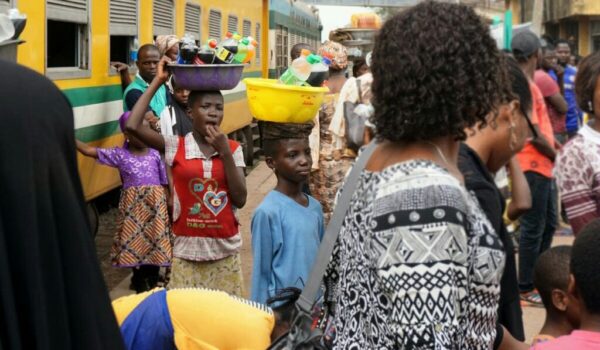
Economic hardship has also increased public anger and disappointment. Rising food prices, unemployment, and inflation have made life difficult for many Nigerians. A recent report by the Guardian Nigeria noted that many Nigerians are struggling with the high cost of living and are questioning whether democracy has improved their lives.
Another prominent variation between campaign promise and performance is electricity. Despite several promises from different administrations promising stable electricity supply, millions of Nigerians still rely on generators and alternative energy sources. According to a report by Business Elites Africa, reliable electricity remains one of the major promises Nigerians are still waiting for decades after the return to democracy.
As a result of all of these factors, Nigerians are disappointed, and have withdrawn from political participation. Many Nigerians, especially young people, no longer trust politicians. Some voters believe elections do not bring real change, while others refuse to participate in the political process because they feel ignored by leaders.
Read Also: The Roles and Challenges of the Media in Holding Government Accountable
Despite these challenges, many Nigerians still believe the country can improve. Political analysts say citizens must continue demanding transparency, accountability, and good governance from leaders, while continuing to participate in the electoral process. Civil society groups,
Democracy can only be effective when leaders listen to the cries of the people and fulfill their responsibilities. Citizens also need clarity of thoughts, as well as careful analysis of government performance, to be able to make informed decisions during elections. When voters pay close attention to policies instead of empty promises, politicians may become extra careful about the kind of promises they make during campaigns.
In the end, the growing disappointment among citizens reflect a deeper concern about governance, accountability, and the future of democracy in Nigeria. Many Nigerians see election periods as a time to renew their hope, but when promises are unfulfilled, hope gradually turns into frustration, leaving citizens to question whether political leaders truly understand the struggles of ordinary people.

Comments