In Nigeria, the daily lives of citizens are shaped by challenges that are impossible to ignore, from bad roads and poor water supply to poor electricity, overcrowded classrooms for students, and poor health care facilities lacking drugs and basic equipment. Yet Nigeria operates a system of government designed to bring governance closer to the people.
Nigeria currently has 774 Local Government Areas designated to bring strategic development to the grassroots. These LGAs are expected to be the first points of contact to provide community needs and wants, including basic education support, road maintenance, electricity and water supply, primary healthcare delivery, and other necessary provisions.
Despite these designated structures, communities still battle with little or no development. Several Local Government Areas are poorly funded, have low revenue generation, and are affected by political interference, affecting their ability to deliver effectively.
Local Government is the subdivision of a state responsible for managing local affairs, delivering community services, and enacting local laws. It is the third tier of government. It provides services like sanitation, policing, and local infrastructure to towns, cities, and villages.
Local Governments, as the third tier of government, plays a significant role in the everyday lives of millions of people. In a country like Nigeria, a large number of people live at the grassroots. In recent data, 46% Nigerians live in rural areas, according to the National Bureau of Statistics in its Demographic Bulletin.
Local Governments are important because they serve as a bridge between citizens and higher levels of government. In a report published by the World Bank Group, Nigeria operates a decentralized system in which basic services like health and education are assigned to local authorities in a bid to ensure that sustainable development is extended to the grassroots. This simply means that the targets of national development, such as education, improving health, and the way of life of people, are dependent on the effectiveness of local governments.
All these taken together, the essence of local government is bound to how efficiently it is connected to the people. When local governments function effectively, they improve living conditions, reduce inequality, and ensure that development is not limited to urban locations but reaches every community.
The key roles of local government in community development span different channels. One is the development and strict maintenance of rural infrastructures, particularly roads, as local governments are saddled with the responsibility of constructing feeder roads that connect villages to markets, schools, and health clinics.
In a study in rural Edo State, published by the International Journal of Innovative Science and Research Technology, IJISRT, 85.9% of residents said poor road conditions limit access to essential services like healthcare, education, and markets. This reflects the effects of failure to maintain roads on economic activities.
When it comes to healthcare, local governments are primarily designated to be responsible for managing primary healthcare centres, PHCs, which are the first points of contact for many Nigerians, especially those in rural environments where there is low access to hospitals.
Basic Education is another role of Local Governments, covering Primary to Junior Secondary School. There are tens of thousands of primary schools in Nigeria, with lots of them situated in rural areas, and often leaning on local governments for support. However, poor infrastructure, overcrowding, and lack of teaching resources – human and material – remain common challenges in many communities.
Another role is the promotion of local economic development. Local governments manage markets and support agricultural activities. This is important because rural economies depend heavily on agriculture and small businesses. However, poor infrastructure and limited access to markets can reduce productivity. For example, studies show that many rural residents must travel over 10 kilometres to access essential services, increasing the cost of doing business and reducing income opportunities.
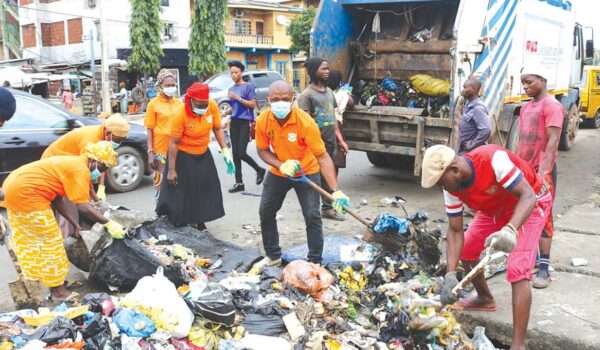
The Local government is also expected to provide social services that safeguard the well-being of people living in the community, including sanitation and environmental management. Waste disposal, drainage systems, and public hygiene campaigns are often handled at the local level. These services are essential in preventing disease outbreaks and maintaining a healthy environment.
Finally, local governments contribute to maintaining peace and order by working with traditional leaders and community groups. While they may not control formal security agencies, their role in community coordination is vital, especially in rural areas where formal security presence may be limited.
The effectiveness of local governments is key to how developments get to the grassroots. When local governments function as they ought to, governance works as it is expected, however, when they fail, that failure is felt at the grassroots, evidenced by the collapse or total absence of basic social amenities, and poor quality of life.
Failure of Local Governments is at the core of failure of governance in Nigeria today, and fixing the country demands an urgent overhaul of this critical arm of government.







Comments