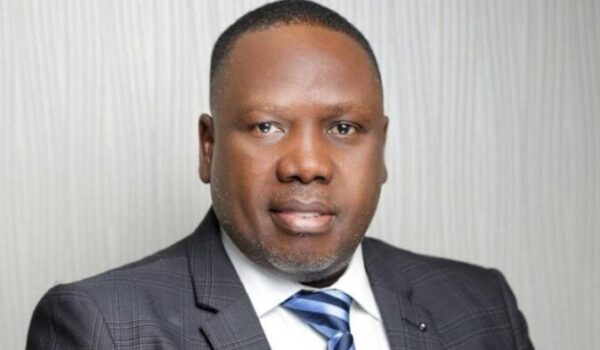
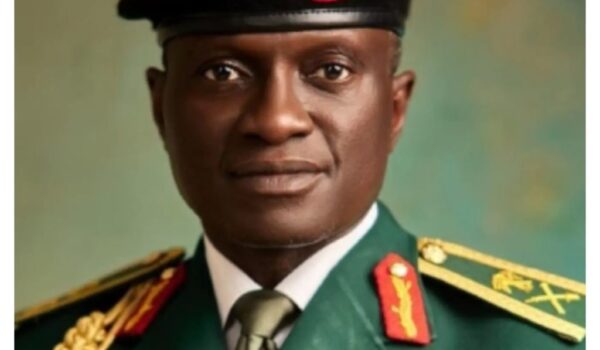
Abubakar disclosed this in a chat with newsmen, saying that the Armed Forces had maintained operational dominance, denying terrorists freedom of movement and access to critical logistics.
“The lingering insecurity in the North-East is closely linked to broader regional and global developments, including instability in the Sahel, the Middle East, and the Russia–Ukraine war.” He said.
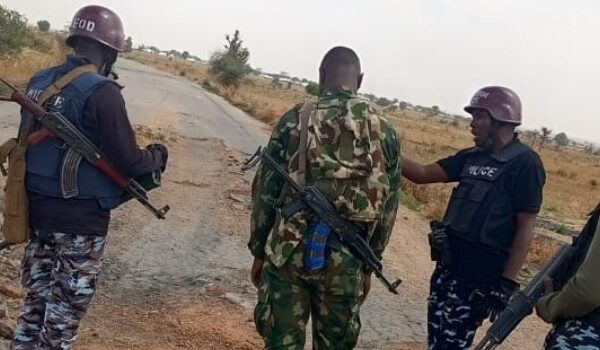
Despite these challenges, Abubakar stated that troops continue to flush terrorists from strongholds in Sambisa Forest, the Mandara Mountains, and the Lake Chad region. He revealed that recent operations have neutralised 26 key terrorist commanders and led to the destruction of multiple insurgent camps.
“Markets have reopened, schools are functioning, and roads that were once unsafe now experience daily movement of goods and people. That is a major milestone for us as a nation,” he said.
He cited a major operation in Dikwa that recovered over 50 lethal IEDs as an example of how intelligence-led missions are disrupting enemy capabilities. Between July and September, over 250 terrorists were neutralised in combined air and ground offensives, while many others surrendered.
The commander also confirmed that anti-drone technology and improved air surveillance have reduced the threat posed by armed drones.
Read Also: Northern Youth Coalition Dismisses Campaign Against Senator Buba
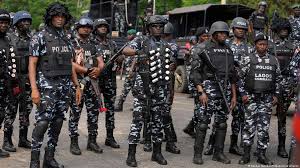
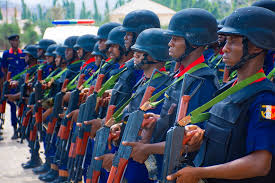
On reports of renewed attacks near Kirawa, Abubakar described them as “desperate attempts to instill fear,” but assured that additional troops, armoured vehicles, and surveillance assets had been deployed to secure the area.
Community leaders in Gwoza and Kirawa praised the military’s swift action. Alhaji Bukar Modu noted that weekly gunfire had stopped since troop deployments increased, while Falmata Bakura, a returnee from an IDP camp, said residents now farm and attend school without fear.
Source: Punch



Comments