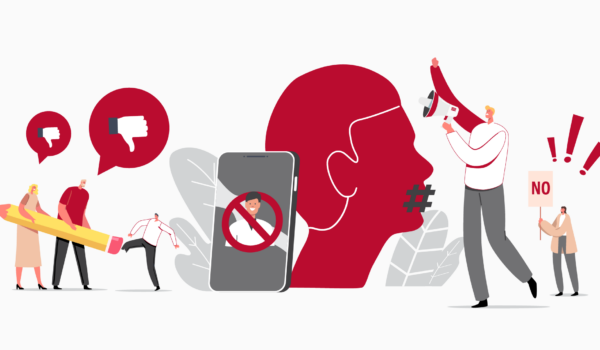
From Facebook, to X, to Instagram, and TikTok, Nigerians are vocal, expressive, and deeply opinionated across all of social media. Whenever injustice strikes, social media feels like the center of change with hashtags’ trend, influencers speaking out, timelines erupting with anger and solidarity, and comment sections burning with passion.
Yet, just as quickly as these digital protests rise, they disappear, leaving behind nothing more than screenshots and forgotten slogans.
Social media has undeniably given citizens a powerful voice. It has exposed injustices, amplified marginalized stories, and forced conversations that once stayed hidden. But somewhere along the way, activism began to stop at the screen. Many people now mistake posting for participating, tweeting for transforming, and sharing for solving.
The #EndSARS movement stands as Nigeria’s most powerful example of digital activism translating into real-world action. It began online but moved swiftly to the streets, forcing national and international attention on police brutality. For a moment, it proved that social media could be more than noise; it could be organization, resistance, and pressure, but it also revealed a troubling truth that such sustained engagement is rare.
Since then, the country has seen countless hashtags trend; #FuelSubsidyRemoval; #ASUUStrike; #MinimumWageNow; #BadGovernance; #JusticeForMohbad; #JusticeForOchanya; among others, and each accompanied by evidences of crime, viral videos, and emotional testimonies. Yet, many of these digital protests end on the screen where they begin. Once the topic stops trending, the pressure from the public weakens, and everyone return to business as usual.
An example of digital pressure that weakens with time is that of the hashtag #JusticeForMohbad, created for late rapper and Singer, Ilerioluwa Aloba, popularly known as ‘Mohbad’. The death of Mohbad in 2023 under uncertain circumstances triggered nationwide protest and the call for justice to be brought to those involved under the hashtag.
Lots of controversies accompanied the late singer’s death with a preliminary police investigation implicating an auxiliary nurse who allegedly administered fatal medications to the artist at home, leading to his questionable demise.
Read Also: Survival gets tougher in Osun, as electricity supply worsens
However, three years after, no one in particular has been held responsible, while court cases are being recorded almost all the time. The citizens calling for justice have relented and are now distracted with other matters.
A major weakness of Nigeria’s online activism is its lack of structure. People speak passionately, but without coordination. Without strategy, outrage becomes emotional release rather than a tool for reform.
Another challenge is the people giving the impression that they are participating. Posting, sharing, and changing profile pictures create a sense of involvement without demanding sacrifice. Meanwhile, real civic engagement, community organizing, policy advocacy, voter registration, court actions remain low.
To make matters worse, the cycle of online outrage often lacks direction. People react emotionally but rarely ask what the goal is, who is responsible? What happens next? Without direction, digital activism become noise that is trending, but too disorganized to pressure institutions or bring solutions to the real issues.
Governments and powerful institutions have learned this pattern well. They wait till the dust settles, knowing that a new issue will trend tomorrow and public attention will shift. In this way, fleeting online protests unintentionally protect the very systems they claim to challenge.
Those responsible or meant to take accountability now respond to online outrage with careful statements, knowing that public attention is for a short time. This pattern has been surviving not because Nigerians do not care, but because care is hardly sustained beyond social media timelines.
Nigeria’s problems are too much for temporary outrage. Insecurity, economic hardship, failing institutions, and corruption require pressure that is consistent, informed, and uncomfortable. Social media should not be the fire but the trigger.
It should organize citizens offline, sustain advocacy groups, and keep leaders under constant scrutiny, not just when an issue trends.
The danger Nigeria faces is not citizens’ laziness, but distraction. Each new crisis pushes the last one out of public memory and the cycle continues.
If Nigerians are serious about change, digital activism must mature and hashtags must lead to action plans. Influencers must move beyond commentary to coordination. Citizens must remain engaged long after the spotlight fades. Otherwise, social media will continue to offer the comfort of expression without the evidence of results.
In the end, Nigeria does not lack voices, it lacks sustained pressure. Without online activism growing beyond momentary outrage, our hashtags will remain loud echoes in a system that has learned how to wait till they fade.






Comments