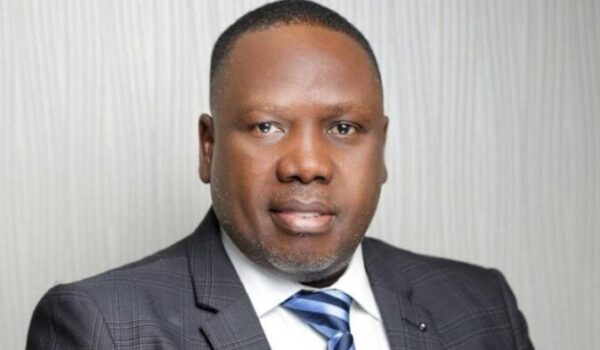
Minister of State for Health & Social Welfare, Iziaq Salako, gave the assurance while speaking at the National Health Financing Policy Dialogue in Abuja
Salako said that the forum was crucial for shaping the country’s future health financing landscape, adding that the dialogue underscored Nigeria’s determination to prioritise citizens’ health through innovative and sustainable financing mechanisms.
“Today, we shall not just lead the discussion but the movement to turn commitments into actionable strategies and inspiring outcomes that will guide future policies and implementation,” he said.
The minister highlighted the government’s increasing investments in health, recalling that the federal health budget rose from ₦434 billion in 2018 to ₦1.6 trillion in 2021, with the 2024 allocation further increasing to ₦2.4 trillion, representing 5.18 per cent of the federal budget.
He added that the National Assembly also approved an additional ₦300 billion in response to external aid shortfalls, while sub-national governments had boosted their own health allocations.
According to him, Nigeria’s total health expenditure as a percentage of GDP has risen from 3.4 per cent in 2013 to 5.3 per cent in 2024, a development he described as progress but still short of expectations.
He stressed that government reforms, including the National Health Insurance Authority Act of 2022 and the Vulnerable Group Fund, were designed to expand health insurance coverage and protect the poor and vulnerable from catastrophic out-of-pocket health spending.
Read Also: Oyo upgrades 66 health centres to boost healthcare delivery
“We aim to enroll at least 4 million Nigerians into the National Health Insurance scheme by 2030 so they can receive financial protection from healthcare costs, which currently account for as much as 70 per cent of household expenditure,” he said.
Speaking further, Salako raised the need for the adoption of best practices from other African countries such as Ghana and Kenya, where political commitment, innovative financing, strong legal frameworks, and decentralised implementation have significantly improved healthcare outcomes.
He urged stakeholders to use the dialogue to exchange ideas, share best practices, and strengthen partnerships that would sustain Nigeria’s march toward universal health coverage.
”Our shared responsibility is to ensure that every Nigerian has access to quality healthcare, jobs, and health insurance,” he said.
Source: Punch




Comments