Every year, millions of Christians and Muslims across the world enter a sacred season, one that is marked by sacrifice in form of fasting, prayer, reflection, and restraint. For Christians, Lent unfolds as a 40-day sacred journey from Ash Wednesday to the Easter Celebration. For Muslims, Ramadan comes as 29/30 days of spiritual discipline, starting with the moon sighting, ending with Eid-ul-fitr celebration.
Although these two sacred periods are different due to difference in religious beliefs, the period of Lent and Ramadan preach the same message that true sacrifice is not when we do not eat or how little what we place on the table is, but it is about how we live, not just with dignity, but in true compassion towards one another.
In many homes, fasting is the most visible sign of these seasons for both Christians and Muslims. People skip meals or reduce portions, and set aside their comfort as well as their hobbies, for the period.
Fasting is not meant to be punishment, but a means and time to examine our hearts, habits, and relationships. When practiced sincerely, it improves self-control, discipline and awakens empathy for those who live daily with hunger and hardship.
However, the most important lessons of Lent and Ramadan begin when fasting ends. One of the deepest teachings during both seasons is discipline, which is taught by saying no to food for a period. This act of discipline strengthens the determination to say no to excess, to anger, dishonesty, and selfishness.
In everyday life, this discipline shows up when a person chooses to be patient instead of getting angry when others upset us. It can also be in form of honesty over shortcuts at work, or faithfulness over convenience in relationships.
These silent, personal choices are sacrifices that demand more than skipping a meal. These choices to be sacred and disciplined require character.
Read Also: From Worship Halls to Hangouts: How Nigerians Navigate Faith and Leisure
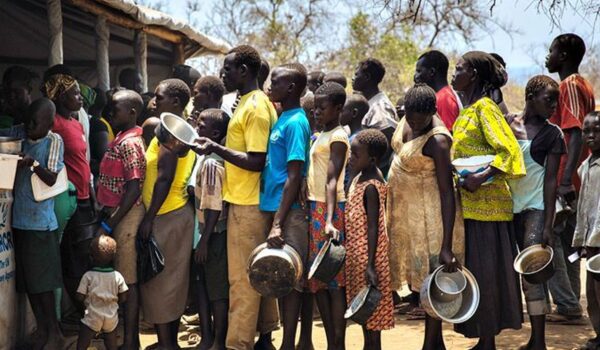
Another lesson is empathy. Hunger softens the heart. It reminds us how fragile comfort can be and how easily dignity can be stripped away by lack. This awareness is meant to move us beyond sympathy into action. True sacrifice is seen when fasting inspires generosity: feeding the hungry, supporting a struggling neighbor, paying attention to the lonely, or advocating for justice where systems have failed. Without compassion, fasting becomes a hollow ritual; with it, fasting becomes a force for social healing.
The most underestimated sacrifice of all is that both seasons encourage prayerfulness, reflection, and study of the Holy Books – the Bible and the Quran. This involves taking out moments from busy schedules and silencing distractions. It also means being fully present with God, as said in Quran 2: 183 that “You who believe, fasting is prescribed for you, as it was prescribed for those before you, so that you may be mindful of God”.
In a world where noise has taken over, choosing to be in seclusion or quietness of heart is an act of resistance. It is a sacrifice that teaches us to listen more carefully to divine guidance, to our conscience, and to one another. The Holy Bible tells us in Matthew 6:16–18 that “Moreover when you fast, be not, as the hypocrites, of a sad countenance: for they disfigure their faces, that they may appear unto men to fast. Verily I say unto you, they have their reward. But you, when you fast, anoint your head, and wash your face; that you appear not unto men to fast, but unto your Father which is in secret: and your Father, which sees in secret, shall reward you openly.” This is to tell us that fasting should be sincere and inward, not for public display.
Also important is the sacrifice of ego. These sacred periods bring humility, which is; acknowledging our flaws, seeking forgiveness, and making amends with people and God. True sacrifice happens when pride is laid down, when we offer apologies without excuses, and when we work towards reconciliation instead of revenge. Such humility strengthens relationships among friends and families, heals friendships, and builds a better community where there is mutual respect and love.
There is also the lesson of consistency. The duration of Lent and Ramadan teaches that spiritual growth is not an interest that should be rushed, but a sustained commitment, as the duration of these periods last for weeks, not days. This applies to everyday life in the sense that good service practiced only when convenient is breakable, real sacrifice is doing the right thing repeatedly, even when there is no applause.
In societies where there are religious, ethnic and economic divisions, these seasons remind us that moral values like selflessness, generosity, patience, and love are not owned by one faith but shared human morals. When Christians and Muslims equally emerge from Lent and Ramadan to being more compassionate, more just, and more attentive to the helpless, then the society in general is strengthened.
Beyond fasting, we should be willing to give up things so that others may live better. Sometimes, it may be food; it may be comfort or pride. And when these sacrifices form how we speak, work, forgive, and care, Lent and Ramadan fulfill their purpose not as ceremonies, but as training grounds for a kinder and faithful way of life, because the true success of both seasons is not by how hungry we were or how many days we fasted for, but by how kinder, fairer, and more selfless we become after the fast is broken.








Comments