In Nigeria today, surviving has become a daily job, not a temporary hardship but a way of life for millions of families.
The struggle is no longer about getting ahead, it is about getting through every day, with life turning into a constant calculation of what can still be afforded and what must be sacrificed morning to night.
While some food produce should have reduced in price, a trip to the market shows food prices have either remained the same or the reductions negligible, telling the clearest story that our food security problems may be deeper issues of Agricultural policy, than mere inflation.
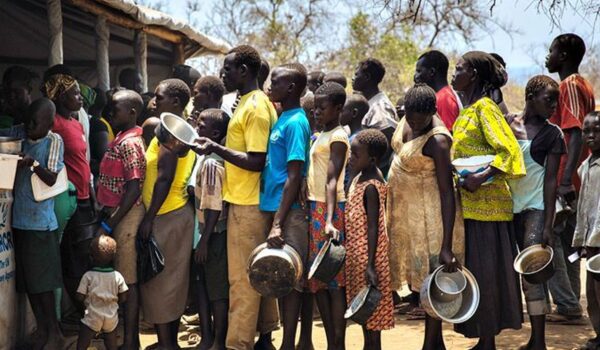
Going to the market now feels like an emotional exercise. Gaari, the “poor man’s meal” has also moved out of the reach of the common man. Families now reduce food portion, skip meals, or take whatever is cheapest. Some families cannot remember the last time protein was had in their homes as cost of meat, fish, or even alternate sources of protein have gone out of reach.
The families once regarded as middle-class now sit at the bottom of the class, those at the lowest chain forced to be beggars, and hunger has become routine.
Another issue that follows food price closely is transport costs. Several fuel price adjustments and the increase in spare parts or maintenance costs, is quickly transferred to commuters. Workers now spend huge portions of their income just to get to work, with some others who cannot afford transport costs forced to seek free means of transportation, putting themselves at risk of insecurity.
Electricity tariffs have also skyrocketed even as supply remains unreliable. House Rent also continued to spike, even in places without maintenance, areas with poor roads, irregular water supply, and limited security, as housing agents also continue to make things difficult.
School fees? Those are seeing astronomical increases while parents’ incomes refuse to improve. Hospital bills, for even the most basic ailments, force families into debt, prayer, or self-medication. In all of this, incomes barely move, pensions no longer have value, and savings are made useless by inflation.
Read Also: Neglect, Losses Trail Ede–Osogbo Road as Residents Demand Urgent Lasting-Action
All these are as a result of years of weak productivity, dependence on imports, currency instability, poor infrastructure, and policy decisions that puts the burden of adjustment on everyday people. Fuel subsidy removal, exchange rate restructurings, and tax measures may actually make economic sense on paper, but in reality, they have worsened the realities of the common man who was already dying under the weight of our poor productivity and bad governance.
What is even scarier? Hardship is now normalised. Nigerians have turned suffering into a national identity, appreciating endurance while ignoring the cost. People are adjusting, but backward, by cutting back on food, healthcare, education, and dignity, which are clear signs of regression.
Beyond money, the high cost of living is reshaping the society, as young people see less reasons to stay in the country shifting the conversation from hardship to a more terrifying social problem – brain drain.
Leadership in times like these is not about reassurance alone but also about results. Nigerians deserve policies that reduce hardship, not deepen it. People should not be forced to barely survive when they should be excelling.
Nigeria and Nigerians cannot survive forever this way because a nation where citizens spend most of their energy to just stay alive cannot build a future. Economic reform must go beyond data and predictions and must be felt in the market, at the bus stop, in homes, and on payrolls. Leveling prices and making it stable, supporting local production, reviewing wages in a realistic way, and investing in infrastructure are no longer voluntary but urgently critical.




Comments