There was a time when reggae music was not just popular in Nigeria, it was powerful, and it spoke for the streets, challenged authority, and gave voice to everyday struggles.
Reggae is a music genre that originated in Jamaica in the late 1960s, evolving from ska, rocksteady, R&B and Mentos to become a global symbol in Jamaican culture. It often carries messages of social, political, and religious consciousness, particularly associated with the Rastafari movement, and was recongnized as UNESCO Intangible Cultural Heritage in 2018.
The Jamaican musical group called Toots and Maytals are one of the best known ska and rocksteady vocal groups, and are also widely credited with naming the genre with their 1968 song titled “Do the Reggay”. Artistes like Bob Marley and the Wailers, Lee “Scracth” Perry, and Desmond Dekker were key pioneers.
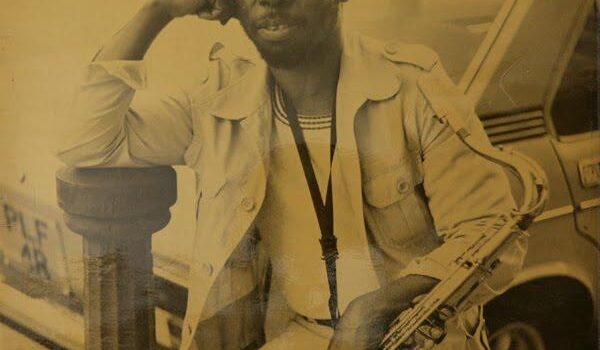
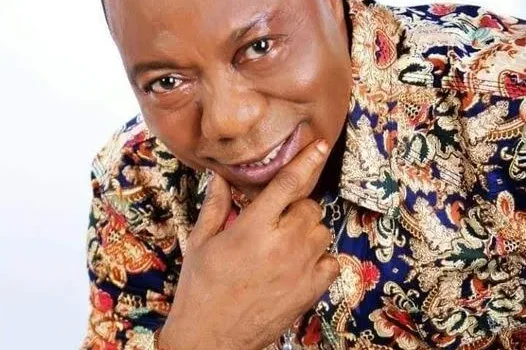
Other Artistes like Majekodunmi Fasheke known professionally as Majek Fashek, who was a Nigerian singer, song writer and guitarist also carried the sound with pride with songs like “Send Down the Rain” that became like an anthem in the late 80s and early 90s.
Around the same time, Ras Kimono, a Nigerian reggae artiste also impacted the genre with his debut album “Under pressure” led by the single “Rum-Bar stylee” which became a big hit in the Nigerian music scene in 1989. He told deep stories with his music speaking about hardship and survival in Nigeria.
Another strong voice was Alex Zitto born as Ola Rotimi Ogunbiyi, a Nigerian-born singer, songwriter, and producer known for his contributions to Afrobeat and highlife music. He rose to fame in the 1980s and 1990s with a unique blend of African rhythms, reggae, and funk. He used his music to talk about corruption and social issues.
These artistes were inspired by global reggae legends like Bob Marley, whose music stood for freedom, unity, and resistance. Back then, reggae music had meaning, and it inspired deep thoughts in people.
Today however, reggae music has slowly faded from the Nigerian mainstream music scene.
One major reason that led to the fall of Reggae in the Nigerian music industry is the rise of Afrobeats. Artistes like Wizkid, Davido, and Burna Boy have taken Nigerian music to the global stage with energetic beats and catchy lyrics. Afrobeats is easier to dance to, more commercial, and fits perfectly into club vibe and social media trends.
Reggae, on the other hand is slower and more message driven. We currently live in a world where people want quick entertainment, a mindset where reggae struggles to compete. The industry now favors songs that can go viral on platforms like TikTok and Instagram, and reggae does not fit into that space.
Another reason is the lack of new reggae artistes. While a few musicians still keep the sound alive, they do not receive the same level of attention or support.
Artistes like Patoranking, born Patrick Nnaemeka Okorie, a Nigerian Afrobeats and reggae-dancehall singer and songwriter, have struggled to push reggae fully into the mainstream despite notable efforts. He released songs that gained popularity in Nigeria, such as “Abule” and “Alubarika”, as well as reggae-influenced collaborations like “African Soldier” with Buju Banton and “One Love”.
Another example is Timaya, born Inetimi Alfred Odon, a Nigerian singer-songwriter who made a strong impact when he entered the music scene. He released songs like “Watta Bambam”, “Ogologomma”, and “Bow Down”, among others, blending reggae and dancehall elements with mainstream Nigerian sounds.
Despite these contributions, reggae music still struggles to command the same mainstream presence and industry backing as other popular genres in Nigeria.
There is also the issue of industry support. Record labels and promoters are more willing to invest in Afrobeats because it has become more acceptable to the audience, thereby generating money quickly. Reggae, which often focuses on deep messages instead of trends, is seen as less profitable.
However, it would be wrong to say reggae is completely dead in Nigeria as its influence is still present. You can hear reggae elements in some Afrobeats and Afrofusion songs, especially in the works of artistes like Burna Boy, who often blends reggae rhythms into his music.
Globally, reggae is still respected, especially after Bob Marley helped shape its legacy.
The truth is, reggae did not just diminish, it was pushed aside because the Nigerian audience has evolved, and the music industry followed the money that other genres have to offer.
Many people believe reggae can rise again based on the fact that evolution is cyclical, as modern trends constantly show elements of old trends. But until then, reggae remains a quiet but important part of Nigeria’s musical history, a time to remember when music was not just for dancing, but for speaking truth to power.
Comments