Before viral dances, trending videos and social media influencing, there was radio; before playlists were curated by algorithms and songs trended on TikTok, millions of Nigerians depended on one thing to decide what to listen to, and that is the voice on radio.
There was a time when Nigerian homes woke up and slept with radio. From the crack of dawn, fathers tuned in for the news, mothers listened while cooking, students rushed home for evening entertainment shows, taxi drivers blasted their favorite stations, and shop owners also adjusted antennas just to get a clearer signal. It was a defining era when radio dictated what the audience would consume in music and entertainment.
Radio Stations like Cool FM, RayPower, Rhythm FM, Wazobia FM, and many others became entertainment headquarters and the on air personalities (OAPs) became household names.
There was the popular voice of Jacob Akinyemi Johnson (JAJ) who was a dominant force on NBC’s AM/FM Stereo in the 80s, known for “The Dance Party” and “Nite Flight; Mani Onumono was the Key voice in the 1980s reggae scene on radio; Richard Onaghise (Manrichie) featured prominently in early FM reggae music programming; Smart Otemu, Boniface Onogwu, Nelson Edosovba, Ruime Effetie, and Shea Martins, among many others.
Back then, an On-Air Personalities (OAP) did not just play songs, they decided the hits. If an OAP loved a track and gave it heavy rotation, it became popular overnight. If they ignored it, the song could disappear and no one ever got to know it.
Upcoming musicians carried CDs from one station to another, hoping for just one spin. It was believed that a single mention during a drive-time show could jumpstart blissful musical careers.
Some of the early Nigerian musicians who gained fame through radio are:
i. Bobby Benson: Widely credited with pioneering the popularity of local music on radio, his 1958 hit “Taxi Driver” was a massive success.
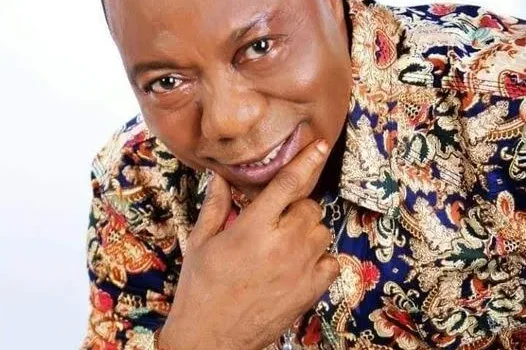
ii. Dr. Victor Olaiya: Known as the “Evil Genius of Highlife,” his band, the Cool Cats Orchestra, became a household name through radio in the 1950s and 60s.
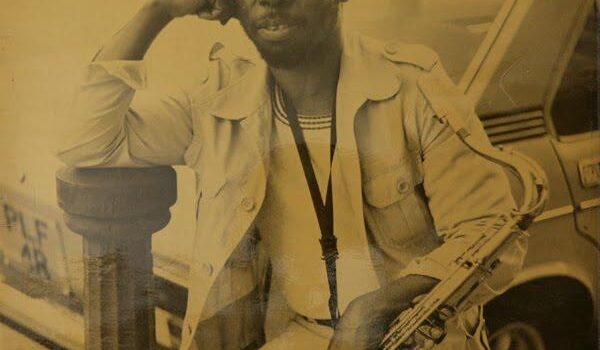
iii. I.K. Dairo: A pioneer of Juju music, he became immensely popular in the early 1960s with his band, The Blue Spot, frequently featuring on radio.
Beyond music, OAPs also shaped pop culture. They introduced slangs that people used on the streets, settled debates, cracked jokes that became catchphrases, and hosted conversations that connected strangers across cities. From early morning motivation shows to late-night love dedications, radio voices were part of daily life.
Great OAPs knew how to paint pictures with words, they could make you laugh during traffic or keep you awake during the midnight shift. Each personality became a brand which bestowed powers of influencing.
Then came social media with such freedom that changed the world. With the popularity of social media came a decentralization of influence, as more people could now use pictures, videos and instant comments to build influence outside of radio.
Content creation became possible for everyone, and this forced OAPs and radio stations to evolve and move online, blending the old broadcast styles with digital platforms. Loyal fans followed to put a face to the voices, and the influence of radio began to take a new form.
Today, social media has widened the scope of influence, handling content creators, streamers, other social media personalities, and even the artistes themselves the opportunity to build direct influence that helps them promote their songs.
However, Radio, through its quick evolution, has somewhat remained powerful, and maintained its influence in Nigeria, especially as it still has the widest and cheapest reach to the largest population of Nigerians.
In markets, cars, farms, and rural communities across the country, Nigerian OAPs continue to entertain and shape what society listens to, maintaining its capacity to boost creative careers.
Famous artistes still bow to the power of radio’s influence and embark on radio tours to promote their music. Radio OAPs are also able to wield influence within entertainment circles, thus enjoying a new dimension of influence, different from what radio was.
Long after the hashtags fade and the screen goes dark, that familiar voice of “Good morning, Nigeria” on Radio continues to reach the farthest corners of the country, wielding raw influence beyond the scope of social media.
Comments