Amid rising killings, mass abductions, and widening security failures across Nigeria, several state Houses of Assembly are moving to back the creation of state police, a long-debated reform President Bola Tinubu has urged the National Assembly to legalise as part of ongoing constitutional amendments.
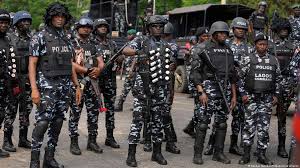
With fewer than 400,000 police officers for a population exceeding 200 million, large swathes of rural communities remain unprotected.
Tinubu recently declared a security emergency, directing increased recruitment into the police and armed forces, and urged lawmakers to create a legal pathway for states to run their own police services.
State assemblies across the country appear prepared to act once the constitutional amendment is transmitted to them.
In Plateau, one of the regions hardest hit by violent attacks, lawmakers say they are ready to support state police.
Speaker Daniel Naalong, in an open letter to the National Assembly, argued that saving lives must outweigh concerns about potential political misuse of state-controlled forces.
Communities in Bokkos, Barkin Ladi, Bassa, Mangu, Riyom, Wase, Qua’an Pan, and Jos South have faced repeated deadly raids and mass displacement.
Sokoto lawmakers also expressed readiness to hasten any state police legislation, citing the success of the state’s Community Guard Corps. The Northern Governors’ Forum has similarly endorsed coordinated state-level policing as a tool to curb rising attacks.
The Borno Assembly, through its spokesperson Babakura Maina, said it would begin work once the amendment reaches state legislatures.
Kaduna Governor Uba Sani has called for immediate decentralisation of policing, warning that the current centralised structure can no longer protect the population.
Zamfara, the epicentre of banditry, plans to submit its own state police bill soon. The government says the state has long awaited such reforms and has already set up Community Protection Guards.
In Kano, the Assembly will commence consideration of the proposal upon resumption, while the governor’s office noted that the state already operates a Neighbourhood Watch to support security agencies.
Read Also: FG, Northern States Shut Schools as Insecurity, Mass Abductions Surge
Ondo State insists it is already running a functioning state police model through the Amotekun Corps, which recently received approval to recruit 500 additional personnel.
Some states, including Gombe and Nasarawa, say deliberations will begin once the National Assembly forwards the amendment.
Across the federation, consensus is growing on the need for decentralised policing. But without constitutional change, states remain unable to legally establish their own police forces. Citizens now await the National Assembly’s next steps to provide the legal framework for state police and bolster the fight against nationwide insecurity.
Source: Punch







Comments