The house urged the Education Ministry and state governments to make provisions in the 2026, 2027, 2028, and 2029 budgets for the recruitment of computer teachers, construction of computer halls with internet facilities, provision of standby generators, and assessment of private schools’ readiness before fully implementing the CBT policy in 2030.
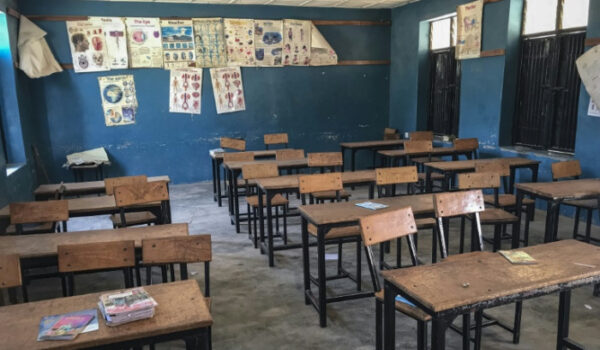
This follows widespread concerns that most schools, especially in rural areas, lack the infrastructure and manpower to support a full CBT transition.
Recall that WAEC, with the support of the Federal Government, had earlier announced plans to conduct the 2026 May/June examination using computers, following the partial rollout of the model for private candidates in 2024.
The resolution followed the adoption of a motion of urgent public importance sponsored by Rep. Kelechi Wogu, titled “Need for Intervention to Avert the Pending Massive Failure of Candidates Intending to Write the 2026 WAEC Examination Using Computer-Based Testing (CBT), Capable of Causing Depression and Deaths of Students,” at Thursday’s plenary, as reported by Vanguard.
Leading the debate, Rep. Wogu noted that WAEC is responsible for conducting examinations that qualify students for higher education, adding that most tertiary institutions require at least five credits, including English Language and Mathematics, for admission.
He recalled that the 2025 WAEC result portal was temporarily shut down due to “technical glitches,” which left many candidates distressed.
Read Also: JAMB Orders 2025 Admission Seekers To Re-Upload O’Level Results
Rep. Wogu expressed concern that despite opposition from the Nigeria Union of Teachers and heads of schools, especially in rural areas where over 70 per cent of students are located, the Ministry of Education has insisted on introducing CBT for the 2026 examination.
He further noted that about 25,500 schools nationwide are expected to present candidates for the 2026 examination, which will run concurrently for four months, from March to July.
Source: Punch





Comments