In his new book, Scars: Nigeria’s Journey and the Boko Haram Conundrum, Irabor argued that the absence of political will had hindered Nigeria’s response to the insurgency. He said a state of emergency backed by the National Assembly would mobilise all elements of national power, economic, political, social, diplomatic, and military, to end the war.
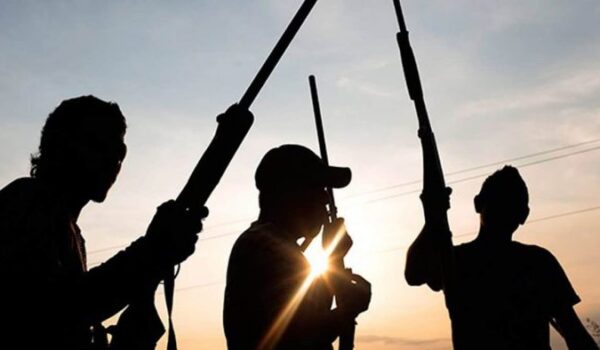
Despite the military’s successes, Boko Haram attacks have intensified, with recent assaults on border towns in Borno forcing thousands to flee to Cameroon. The violence has displaced more than two million people and worsened humanitarian conditions in the region.
Supporting Irabor’s position, retired Brigadier General Peter Aro said a genuine, legislatively backed state of emergency would give coherence and urgency to the counterinsurgency effort. He stressed that political interference must end for security agencies to operate effectively.
Read Also: ADC urges Tinubu to declare state of emergency in Katsina, Zamfara
Retired Major General Dayo Olukoju agreed but called for a broader, multilateral approach to tackle the root causes of terrorism, including issues of freedom, identity, and social inequality.
Similarly, retired Colonel Saka Folusho said the emergency declaration was necessary but warned that insecurity would persist unless authorities curbed the illicit trade in arms and properly equipped and paid frontline soldiers.
The Northern Elders Forum also renewed its call for a state of emergency on insecurity in the North, urging massive deployment of security personnel and decisive government action.
Source: Punch





Comments